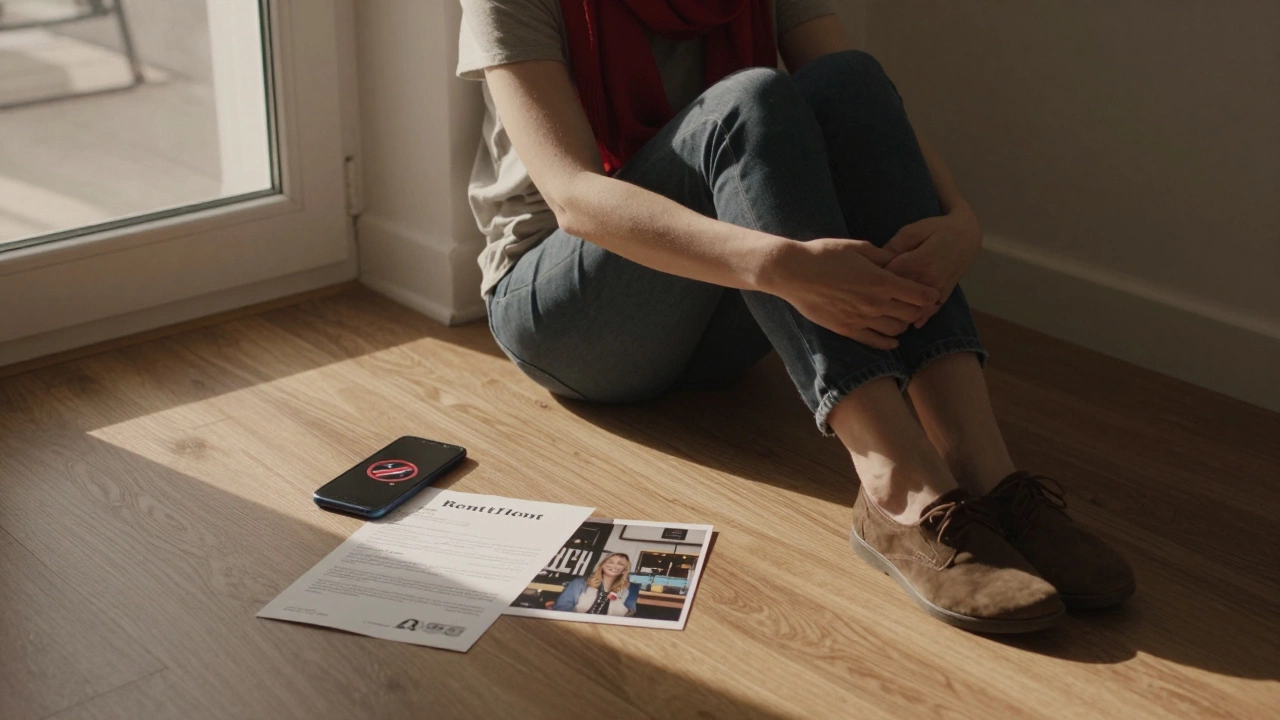
When your profile gets erased from a platform you’ve spent years building, it doesn’t just vanish-it leaves a hole. For sex workers, content creators, and anyone who earns a living online through their body or sexuality, deplatforming isn’t just a policy violation. It’s economic violence. And the systems that enable it aren’t neutral algorithms. They’re built on centuries of moral panic, dressed up as safety protocols. One minute you’re posting a selfie with a caption about self-love; the next, you’re locked out of your income, your audience, and your identity-all because someone in a corporate office decided your body was "inappropriate."
It’s easy to scroll past stories of influencers losing access to Patreon or Instagram banning accounts for "sexual content." But behind every ban is a real person trying to pay rent. Some of them are single parents. Others are survivors using their platforms to heal. And yes, some are people who simply chose to work as an escort girl london and documented their life with honesty, not shame. The platforms don’t care about the nuance. They care about advertisers. And advertisers don’t want to be seen next to anything that smells like sex.
How Tech Companies Decide Who Gets to Exist Online
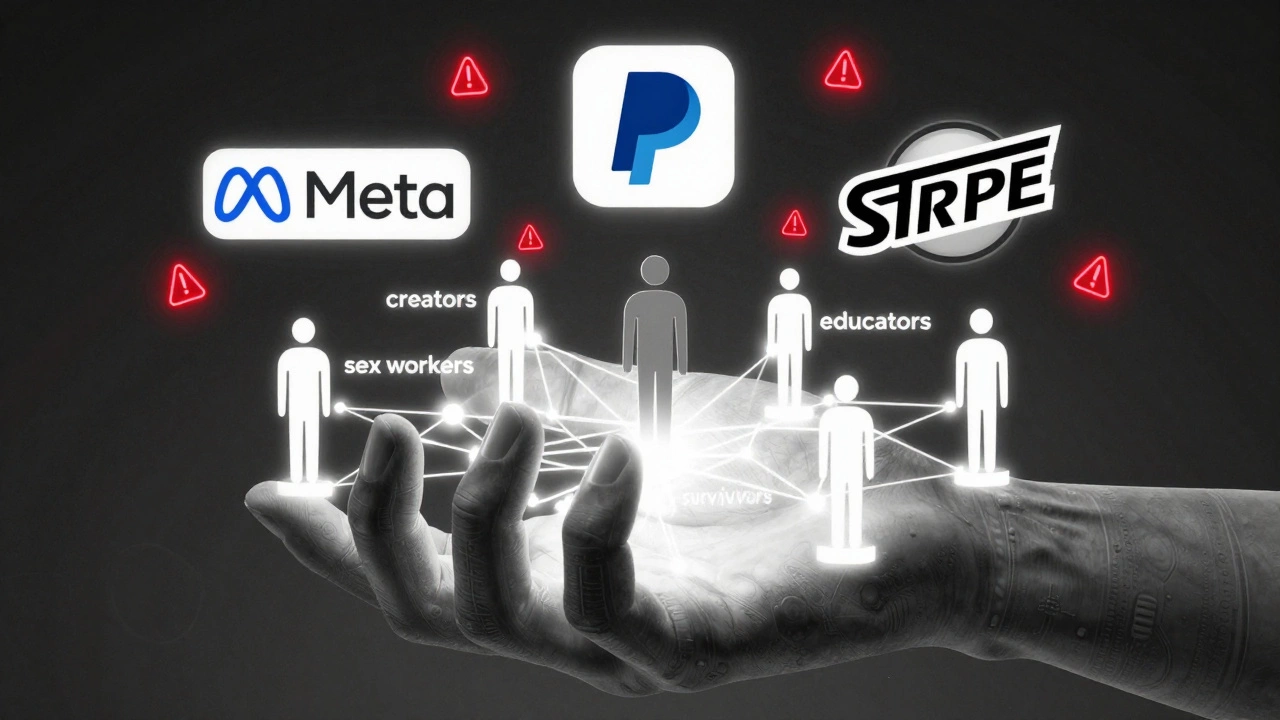
Platforms like Meta, YouTube, and PayPal don’t have public guidelines for what counts as "sexual content." They rely on automated systems trained on biased data. If your photo shows bare skin, even if it’s just your shoulder or a tattoo, it gets flagged. If your caption mentions "private appointment," it triggers a review. These systems were never designed to understand context. They were built to minimize risk, not protect rights.
There’s no appeal process that actually works. You submit a request. You wait. Sometimes you get a reply that says "violated our community standards"-but never which one, or how. And if you’re lucky enough to get your account back, it’s usually with 80% fewer followers and no way to recover lost income. This isn’t moderation. It’s censorship disguised as safety.
The Emotional Toll of Being Erased
Deplatforming doesn’t just cut off income. It cuts off community. Many sex workers use these platforms to find clients, share resources, warn each other about dangerous people, and even organize mutual aid. When an account gets deleted, it’s not just a business loss-it’s a social isolation. People who relied on those networks for emotional support suddenly find themselves alone, anxious, and financially vulnerable.
Studies from the Global Network of Sex Work Projects show that 62% of sex workers who’ve been deplatformed experienced increased anxiety, depression, or suicidal thoughts afterward. The stress isn’t hypothetical. It’s measured in sleepless nights, skipped meals, and broken relationships. And the worst part? Most people don’t even realize this is happening. They think it’s just "bad luck" or "being too bold." But it’s systematic. It’s targeted. And it’s growing.
How Slut-Shaming Became Algorithmic
Slut-shaming isn’t just a social habit anymore. It’s coded into the infrastructure of the internet. Platforms use keywords to auto-flag content. Words like "private," "date," "meeting," "arrangement," and even "massage" get tagged as high-risk. So do phrases like "I’m available," "I love my job," or "I choose this life."
Meanwhile, influencers who post bikini photos with hashtags like #beachbody or #summervibes never get flagged. Why? Because their bodies are framed as aspirational, not transactional. The double standard is brutal. A woman selling lingerie on Etsy gets praised. A woman selling her time and attention gets banned. The difference isn’t the body. It’s the narrative.
And it’s not just social media. Payment processors like Stripe and Square routinely shut down accounts linked to sex work-even when the content is clearly educational, artistic, or consensual. In 2024, a sex educator in Toronto lost her PayPal account after she posted a video explaining consent in BDSM. The reason? "Violated our acceptable use policy." No details. No appeal. Just silence.
The Rise of Whorephobic Tech
"Whorephobia" isn’t a word you hear often in tech circles. But it’s the unspoken rule behind every ban. It’s the belief that sex work is inherently exploitative, immoral, or dangerous-even when the person doing it says otherwise. Tech companies don’t consult sex workers when they design policies. They consult anti-trafficking NGOs, religious groups, and politicians who’ve never met a single person who does this work voluntarily.
The result? Tools that punish autonomy. Apps that erase choice. Algorithms that treat adult content as a virus to be quarantined. And the people who suffer the most? Those who need the most protection: low-income workers, trans women, migrants, and people of color. They’re the ones most likely to rely on digital platforms for income-and the least likely to have legal or financial safety nets when they’re cut off.
There’s a reason why so many sex workers now use decentralized platforms like Mastodon, PixelFed, or OnlyFans (despite its own flaws). They’re not perfect. But at least they don’t pretend to be neutral. They know who they serve. And they don’t pretend that banning someone for their body is a moral act.
What Happens When You’re Deplatformed
Let’s say you’re an escort girl in north london who runs a small blog and Instagram account to find clients. You post photos of your outfits, your favorite cafes, and the books you’re reading. You never show nudity. But one day, your Instagram account is gone. Your bank freezes your account because your payment processor flagged your transactions as "high risk." You can’t pay your rent. Your landlord gives you a week to leave.
You try to move to another platform. But TikTok bans you for "sexual solicitation" after you mention "booking a session." Patreon says your profile "violates their terms." You’re stuck. No income. No options. And no one to talk to who understands.
This isn’t fiction. It happened to a woman in Manchester in 2023. She documented her journey on a private blog. After six months of living in her car, she got a job at a call center. She still works there. She never went back to sex work. She says she doesn’t regret her past-but she regrets the system that made her choose between survival and dignity.
Who Benefits From This System?
Not the users. Not the workers. Not even the advertisers. The real winners? The companies that sell "safety" as a product. They profit from fear. They sell ads to brands that want to avoid "controversial" content. They charge creators for premium features while quietly censoring the ones who don’t fit their idea of "respectable."
And they do it all while claiming to be progressive. They post rainbow logos during Pride Month. They tweet about "empowering women." But when a woman says she’s proud to be a sex worker? That’s when the algorithm kicks in.
The same companies that claim to support LGBTQ+ rights routinely ban trans sex workers for "inappropriate content." The same ones that claim to fight for free speech delete accounts that speak truth to power. It’s not hypocrisy. It’s strategy. They know what sells. And what sells is the illusion of purity.
What Can You Do?
It’s not enough to be outraged. You have to act. If you’re a regular user of these platforms, speak up. Report false bans. Support creators who’ve been silenced. Donate to mutual aid funds for sex workers. Follow organizations like the Sex Workers Outreach Project (SWOP) or the Global Network of Sex Work Projects. They’re the ones fighting this battle on the ground.
If you’re a creator, diversify your platforms. Don’t rely on one app for your income. Build your own website. Use email lists. Learn how to accept crypto payments. Join decentralized networks. You don’t need to be perfect. You just need to be persistent.
And if you’re someone who’s been deplatformed-you’re not broken. You’re not shameful. You’re not alone. There are communities out there that still believe in your right to exist. You just have to find them.
Because the internet was supposed to be free. But freedom doesn’t mean access to a platform. It means the right to be seen, heard, and paid for who you are-even if that’s someone who works as an escort girl in london.
Why do platforms ban sex workers but allow other types of nudity?
Platforms ban nudity when it’s tied to transactional sex because their advertising partners fear association with anything that could be seen as "sexual commerce." Nudity in fitness, fashion, or art is framed as "empowering" or "aesthetic," while the same body in a sex work context is labeled "exploitative." The difference isn’t the image-it’s the narrative the platform chooses to enforce.
Can you legally fight a deplatforming decision?
Legally, no-not in most countries. Platforms are private companies and aren’t required to provide due process. You can file complaints with consumer protection agencies, but they rarely intervene unless there’s a clear breach of contract or discrimination law. Real change comes from public pressure, not legal appeals.
Are there platforms that don’t ban sex workers?
Yes. Decentralized platforms like Mastodon, Pixelfed, and Lemmy allow sex workers to post freely as long as they follow community rules. OnlyFans permits adult content but takes a 20% cut and has inconsistent moderation. Some creators use Substack or Patreon with explicit disclaimers. No platform is perfect, but alternatives exist.
How does being deplatformed affect mental health?
Studies show that deplatforming increases rates of anxiety, depression, and suicidal ideation among sex workers. The loss of income, community, and identity creates a cascade effect: housing instability, social isolation, and loss of self-worth. Many report feeling like they’ve been erased-not just from a website, but from society.
What’s the difference between sex work and trafficking?
Sex work is consensual labor. Trafficking is forced labor. They’re not the same. But anti-trafficking campaigns often blur the lines to justify broader censorship. This harms sex workers who are not trafficked, by making it harder for them to work safely, access services, or speak out. Most sex workers support decriminalization-not criminalization.
Where Do We Go From Here?
The fight isn’t about whether sex work is moral. It’s about who gets to decide. If we believe in bodily autonomy, then we can’t pick and choose which bodies are "acceptable" online. If we believe in economic justice, then we can’t let algorithms erase people’s livelihoods because their work makes others uncomfortable.
Real progress won’t come from better algorithms. It’ll come from collective action. From users demanding transparency. From creators refusing to be silenced. From allies speaking up when they see a ban that doesn’t make sense.
Because the next person who gets deplatformed might be your friend. Your sister. Your neighbor. Someone who just wanted to make a living on their own terms. And if we don’t change the system now, we’ll be watching the same thing happen again-next time to someone we love.